Category: General News

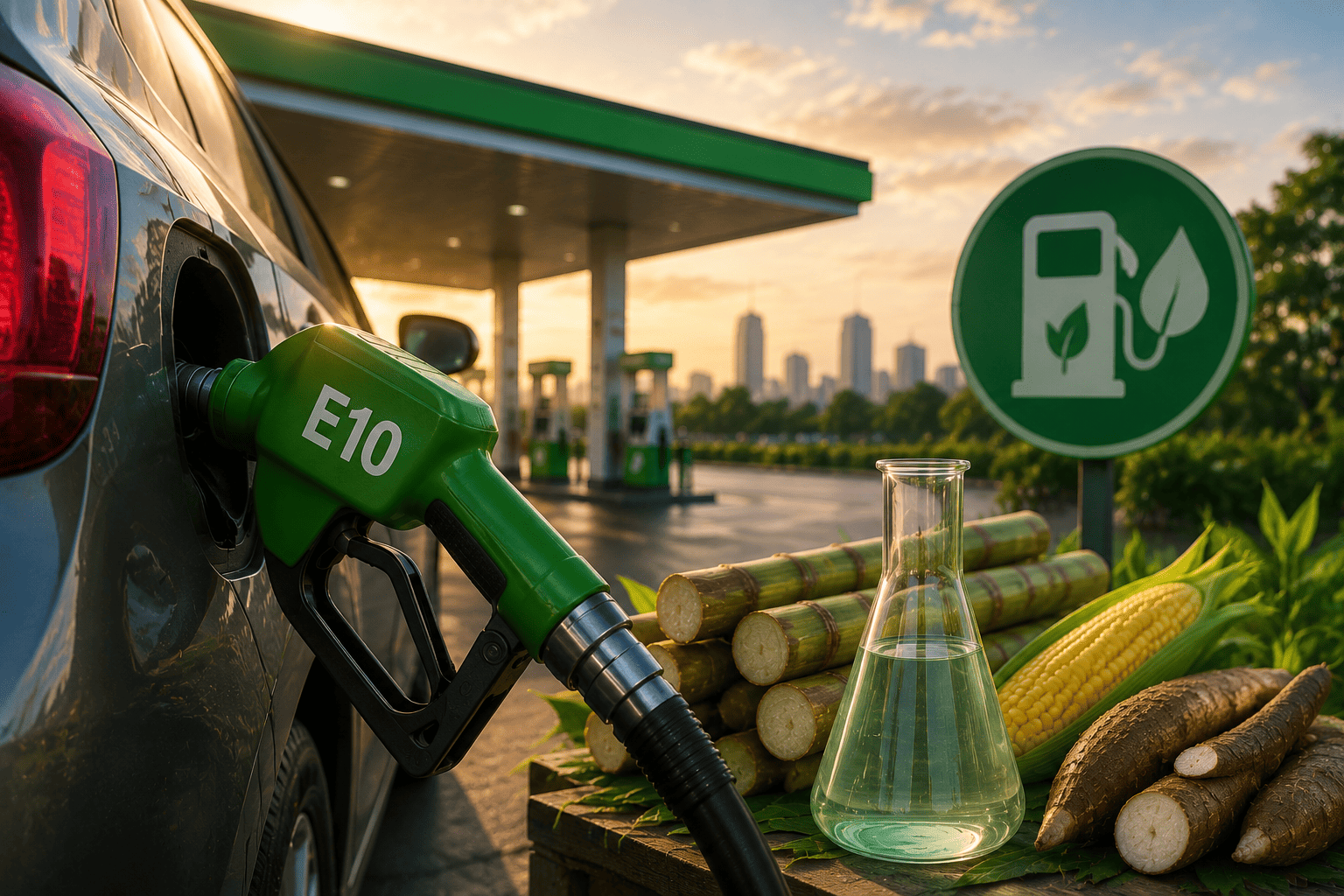
  • Indonesia Advances Toward Higher Ethanol Blending in Gasoline Through E10 and E20 Programs

    Indonesia Advances Toward Higher Ethanol Blending in Gasoline Through E10 and E20 Programs

    Indonesia is preparing to introduce higher ethanol blending levels in gasoline as part of efforts to reduce fuel import dependency and strengthen the domestic biofuel industry. The government is targeting the implementation of 10% ethanol-blended gasoline (E10) in 2027, followed by a gradual increase to 20% ethanol blending (E20) by 2028–2029.

    The policy is part of Indonesia’s broader energy transition strategy, focusing on increasing the use of renewable fuels while developing local bioethanol production capacity.

    Building a Domestic Bioethanol Supply Chain

    The Ministry of Energy and Mineral Resources (ESDM) is completing a study launched in 2025 to establish a roadmap for ethanol blending implementation. The government emphasized that the program will depend on sufficient domestic ethanol availability before mandatory blending targets are introduced.

    Authorities aim to avoid relying on imported ethanol supplies by prioritizing the development of local production capabilities. Potential feedstocks for domestic bioethanol include cassava, sugarcane, corn, and other agricultural commodities that can support ethanol production.

    To support long-term supply, the government is also developing integrated agricultural and processing infrastructure, including sugarcane plantations and downstream biofuel facilities.

    Gradual Implementation Following Biofuel Expansion Model

    The transition from E10 to E20 is planned as a gradual process similar to Indonesia’s previous biodiesel blending programs, which expanded progressively from lower blending levels to higher percentages.

    The phased approach is intended to provide time for industry preparation, infrastructure development, and adjustment across the fuel supply chain, including producers, distributors, and consumers.

    The government is also studying international bioethanol models, particularly Brazil’s flexible sugarcane industry, where producers can adjust between sugar and ethanol production depending on market conditions.

    Reducing Fuel Imports Through Renewable Energy Development

    Increasing ethanol utilization is expected to help reduce Indonesia’s reliance on imported gasoline while supporting domestic agricultural industries. The development of a local bioethanol ecosystem could create additional value from agricultural resources and contribute to national energy security.

    The success of the E10 and E20 programs will depend on several factors, including feedstock availability, production capacity, infrastructure readiness, and coordination between government agencies and industry stakeholders.

    Through these initiatives, Indonesia aims to expand the role of renewable fuels in its transportation sector while developing a more resilient and domestically supported energy system.

    Source: https://jakartaglobe.id/business/indonesia-targets-e10-gasoline-blend-in-2027-e20-by-2028
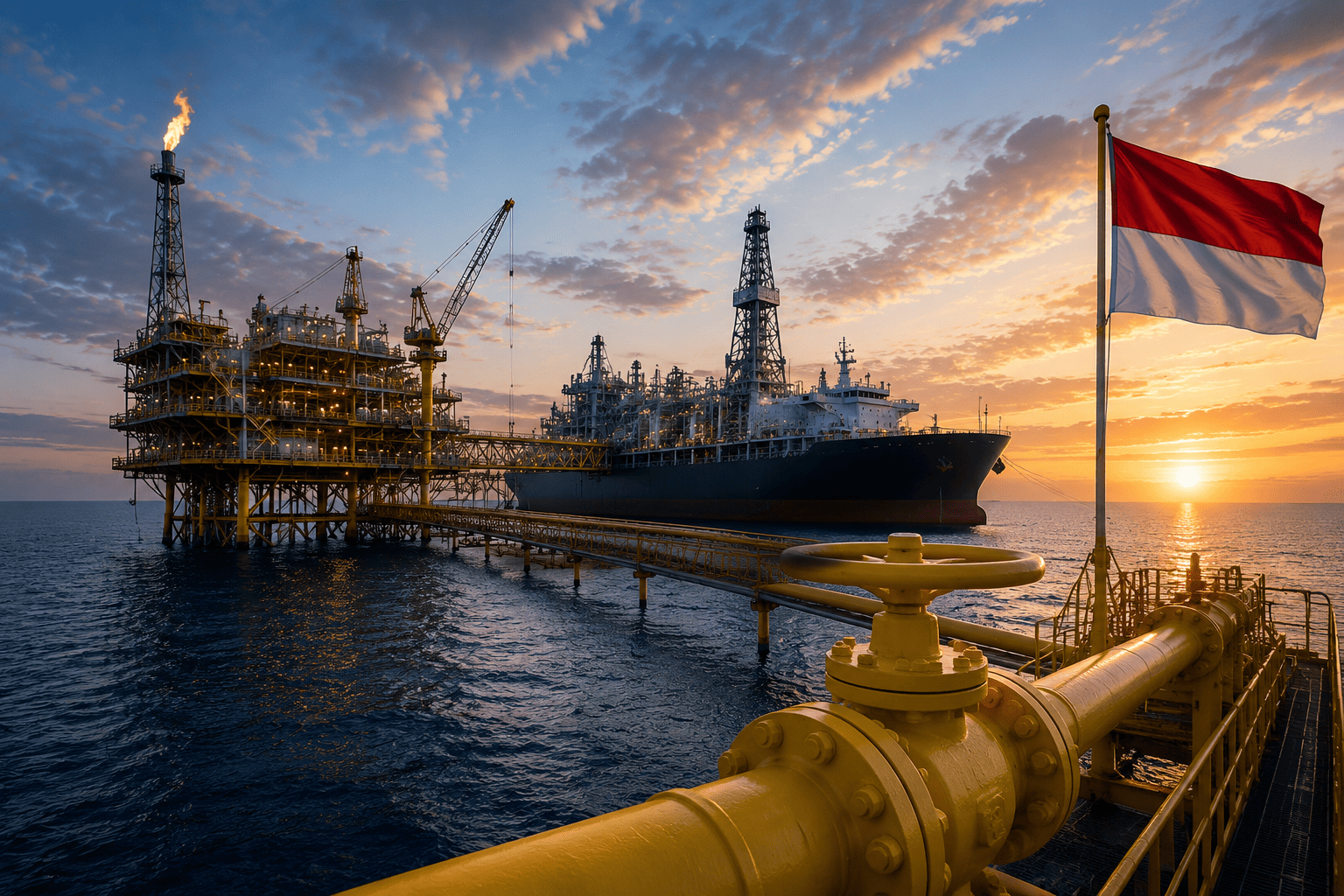
  • South Andaman Gas Discovery Advances Toward Regional Energy Development in Aceh

    South Andaman Gas Discovery Advances Toward Regional Energy Development in Aceh

    A significant gas discovery in the South Andaman Block offshore Aceh is moving into the development planning stage as the Indonesian government focuses on ensuring the project provides economic benefits for the local region.

    The Ministry of Energy and Mineral Resources (ESDM) is conducting public outreach to provide information about the future management and development of the offshore gas project, including plans to prioritize benefits for communities in Aceh.

    Government Focuses on Local Benefits and Project Development

    The government stated that socialization efforts are important to address public concerns regarding how Aceh will benefit from the development of the South Andaman Block. Discussions are being conducted with regional stakeholders, including academic institutions, to improve public understanding of the project’s potential economic impact.

    The development plan is expected to involve collaboration between government authorities, operators, and local stakeholders to identify solutions that provide benefits for all parties.

    Some communities have expressed interest in having gas processing facilities developed onshore in Aceh. The government is evaluating options while considering technical requirements, existing development plans, and the overall feasibility of the project.

    Deepwater Gas Discovery Supports Future Energy Supply

    The South Andaman Block is operated by Mubadala Energy, an energy company based in the United Arab Emirates, with Harbour Oil as a partner. The project is expected to produce approximately 312 million standard cubic feet per day (MMSCFD) of gas and 7,500 barrels per day of condensate.

    The project is targeted to begin production in 2028, with estimated investment reaching approximately US$1.95 billion based on the approved Plan of Development (POD).

    A gas sales agreement between Mubadala Energy and PT PLN (Persero) has also been completed for the supply of around 160 MMSCFD of gas to support power generation requirements. Additional gas resources from other discoveries remain under evaluation for future utilization.

    Recent exploration success in the South Andaman Block includes the Tangkulo-1 deepwater exploration well, located approximately 65 kilometers offshore northern Sumatra. The well was drilled to a depth of around 3,400 meters in water depths of approximately 1,200 meters.

    Testing results showed gas flow of around 47 MMSCFD and condensate production of approximately 1,300 barrels per day, with estimated potential capacity reaching higher levels based on further evaluation.

    Offshore and Onshore Infrastructure Integration

    The planned development of the South Andaman Block will use a combination of offshore and onshore facilities. Initial processing activities will be conducted offshore using floating production facilities before treated gas is transported to shore through a subsea pipeline.

    The offshore processing approach is designed to handle gas composition challenges, including elevated levels of carbon dioxide (CO₂) and hydrogen sulfide (H₂S), which require treatment before transportation through pipelines.

    Onshore facilities, including an Onshore Receiving Facility (ORF), are planned for development in the Arun Special Economic Zone (KEK Arun), Lhokseumawe. The integrated offshore-onshore approach aims to support safe gas transportation while enabling future utilization of the discovered resources.

    The South Andaman development represents one of Indonesia’s major offshore gas projects and is expected to contribute to domestic energy supply, regional economic development, and long-term gas availability.

    Source: https://www.cnbcindonesia.com/news/20260721154120-4-752621/ada-temuan-gas-jumbo-pemerintah-prioritaskan-manfaat-untuk-warga-aceh